English
 Chinese (Simplified)
 Chinese (Traditional)
 Filipino
 Japanese
 Korean
 Lao
Lao Malay
Malay Spanish
 Thai
Thai Vietnamese
Invisible Victims: Protecting Immigrant Seniors from Elder Abuse
Elder and Disability Rights ProjectElder and Disability Rights Project · World Elder Abuse Awareness Day
Elder abuse affects 1 in 10 Americans over age 60 annually, yet only 1 in 24 cases is ever reported.[1] For immigrant seniors, the gap is even wider. Language barriers, fear of deportation, cultural stigma, and dependency on family members who may be causing harm create a perfect storm of vulnerability. This article examines the risks immigrant seniors face, the legal protections available to them, and how professionals can work together to help.
I. What Is Elder Abuse?
Under California’s Welfare and Institutions Code (§ 15610 et seq.), elder abuse takes many forms: physical harm, emotional manipulation, sexual abuse, neglect, and financial exploitation. Financial abuse is especially prevalent and underrecognized. The WHO (2022) found that two in three nursing home staff admitted to some form of abuse within the past year.[2] Many immigrant seniors do not recognize exploitation as abuse, or are too ashamed or frightened to report it.
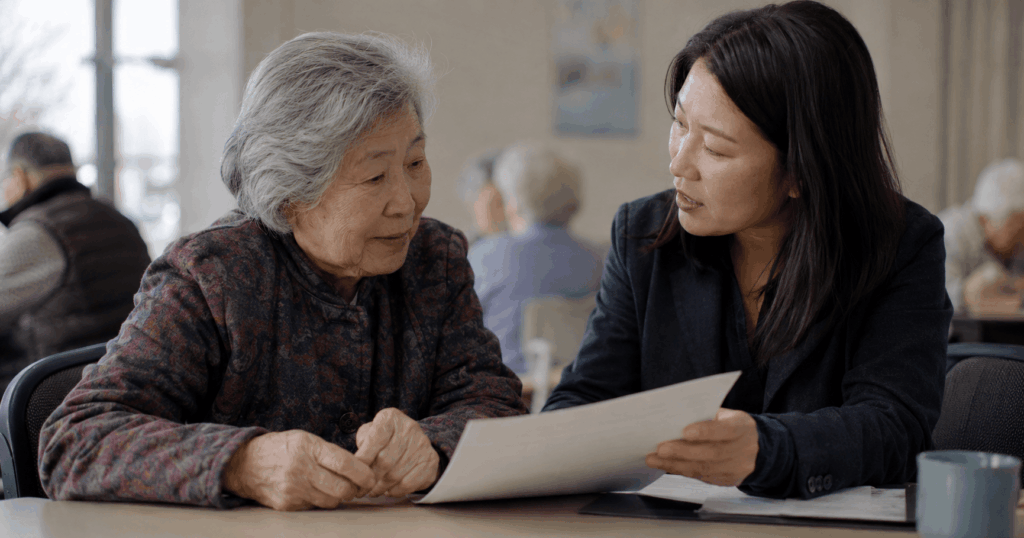
II. Why Immigrant Seniors Are Especially at Risk
Three compounding factors make immigrant seniors particularly vulnerable:
- Language barriers. An estimated 40% of U.S. immigrant seniors have limited English proficiency,[3] making it difficult to report abuse or navigate legal and healthcare systems without relying on potentially exploitative family members.
- Fear of immigration consequences. Abusers frequently threaten seniors with deportation to prevent reporting. Many seniors also wrongly believe that accessing public benefits could jeopardize their immigration status, a fear that is largely unfounded but widely held.
- Cultural stigma. Values such as filial piety and familismo can make reporting a family member feel like an act of betrayal. Social ostracization, loss of family support, or nursing home placement further deter seniors from speaking out.
III. Legal Protections and Immigration Relief
U Visa
Immigrant seniors who are victims of qualifying crimes, including assault or domestic violence, and who cooperate with law enforcement may be eligible for a U Visa. Approved applicants receive work authorization and can apply for a Green Card after four years.
VAWA Self-Petition
The Violence Against Women Act allows immigrant seniors, including elderly parents abused by U.S. citizen children, to petition for a Green Card, work authorization, and public benefits without involving their abuser. Many seniors are unaware this option exists.
Additional Protections
Restraining orders are available without filing fees, and courts may provide free interpreters under California Government Code § 68092.1. Emergency Medi-Cal is available regardless of immigration status (Health & Safety Code § 1317), and public charge rules do not apply to most elder abuse services. The federal Senior Safe Act (2018) and California’s WIC § 15630.1 require banks to report and act on suspected financial exploitation.
IV. The Case for Multidisciplinary Collaboration
No single professional can address elder abuse alone. California’s mandatory reporting law (WIC § 15630) requires doctors, nurses, social workers, and bank employees to report suspected abuse immediately. Effective responses combine legal advocacy (U Visa, restraining orders), social services (APS, safe housing), medical documentation, and law enforcement. Agencies should establish referral protocols to ensure seamless coordination across disciplines.
Immigrant seniors are among the most vulnerable, and least visible, elder abuse victims in the country. Legal protections exist, immigration relief is available, and help is free. The first step is making sure seniors, and those who serve them, know that asking for help will not make things worse.
This article is based on a presentation during the 19th Annual Conference on Elder Abuse at UC Law San Francisco by the APILO Elder and Disability Rights Project.
What to do now
- If you or a senior you know may be experiencing abuse, contact APILO’s Elder and Disability Rights Project. Consultations are free and confidential.
- Ask about immigration relief. You may qualify for a U Visa or a VAWA self-petition without involving the person causing harm.
- Know that emergency Medi-Cal is available regardless of immigration status, and restraining orders carry no filing fee.
- If you are a professional (medical, social services, banking), build a referral protocol now so a disclosure never stalls.

About APILO’s Elder and Disability Rights Project
APILO’s Elder and Disability Rights Project provides legal services to help elders and individuals with disabilities receive public benefits and live free from abuse. The team works to both prevent abuse and assist survivors, partnering closely with senior centers, churches, and senior meal sites to keep services accessible. Services include naturalization and other immigration cases, elder abuse, estate planning, eviction defense, conservatorship, guardianship, and restraining orders. Learn more about the program.
Sources
- National Council on Aging. Get the Facts on Elder Abuse. (1 in 10 adults over 60; 1 in 24 cases reported.) View source ↗
- World Health Organization (2022). Abuse of older people fact sheet. (Roughly two in three staff in institutional settings reported committing abuse in the past year.) View source ↗
- APILO Elder and Disability Rights Project, presentation at the 19th Annual Conference on Elder Abuse, UC Law San Francisco (2025).
Disclaimer: This article provides general information about elder abuse and immigration relief. It is not legal advice. Eligibility for the protections described depends on individual circumstances, and laws change. For advice about a specific situation, please contact APILO or a qualified legal professional.
Related from APILO News

Founded in 1975, the mission of API Legal Outreach is to provide culturally competent and linguistically appropriate legal representation, social services, and advocacy for the most marginalized segments of the community including low-income women, seniors, recent immigrants, and youth.
If you want to learn more about your Youth Advisory Council, please visit
www.thatsnotlove.org